Real-world impact: AI in action
Discover how artificial intelligence is transforming social media marketing. Explore real-world examples and success stories that demonstrate AI's potential to enhance business growth while preserving authenticity, creativity, and human connection.
From Research to Real-World Application
AI is a powerful tool for improving efficiency and content creation, but it cannot replace the human voice that builds trust and connection. Businesses that succeed with AI use it strategically, as a support system for ideas, structure, and analysis, while maintaining full control over their messaging and brand identity (Le Dinh et al.; Burgess).
In marketing, effectiveness does not come from producing more content, but from creating meaningful and authentic communication. AI can enhance this process, but only when guided by clear strategy and human intention (Bandyopadhyay; Biriukov). The most effective examples are businesses that use AI for efficiency, such as idea generation and customer support, while maintaining human control over voice and messaging. Research shows that AI improves performance, but authenticity and strategy are what sustain engagement and trust (Le Dinh et al.; Burgess; Bandyopadhyay).

Small Business in LA using AI to Go Viral
A small business used AI to help create a reel designed to attract attention and increase visibility. By using AI tools to assist with scripting and editing, the business was able to produce engaging content quickly without a large marketing budget.
The video gained over 22 million views, showing how AI can significantly increase reach and visibility for small businesses when combined with creative direction and clear messaging (Laurent).
However, the success was not driven by AI alone. The idea behind the content, the storytelling, and how well it connected with the audience played a major role. To see more behind the scenes, watch the interview with one of the family members from The Original Tamale Co.
Takeaway:
AI helped speed up the process, but the creativity and direction came from the business itself. This shows that AI works best when it supports a strong idea, not when it replaces it.

When AI Improves Efficiency—but Changes the Business
A marketing agency owner in the UK began integrating AI tools like ChatGPT into his workflow to improve efficiency, generate content faster, and support decision-making. At first, the results were positive. Tasks that previously required a full team could now be completed more quickly, allowing the business to operate with fewer resources.
However, as AI became more widely adopted, client expectations began to shift. Some clients reduced the scope of their services, assuming that AI could replace part of the work. As a result, the agency experienced a decline in demand and eventually had to reduce staff, operating with a much smaller team.
Despite these challenges, the business adapted by shifting its focus toward helping other companies integrate AI into their own workflows, creating new opportunities (Cohen).
Takeaway:
AI can improve efficiency and reduce workload, but it can also change how businesses operate and how clients perceive value. This shows that AI is not just a tool for growth—it also requires businesses to adapt strategically to maintain their position and identity.
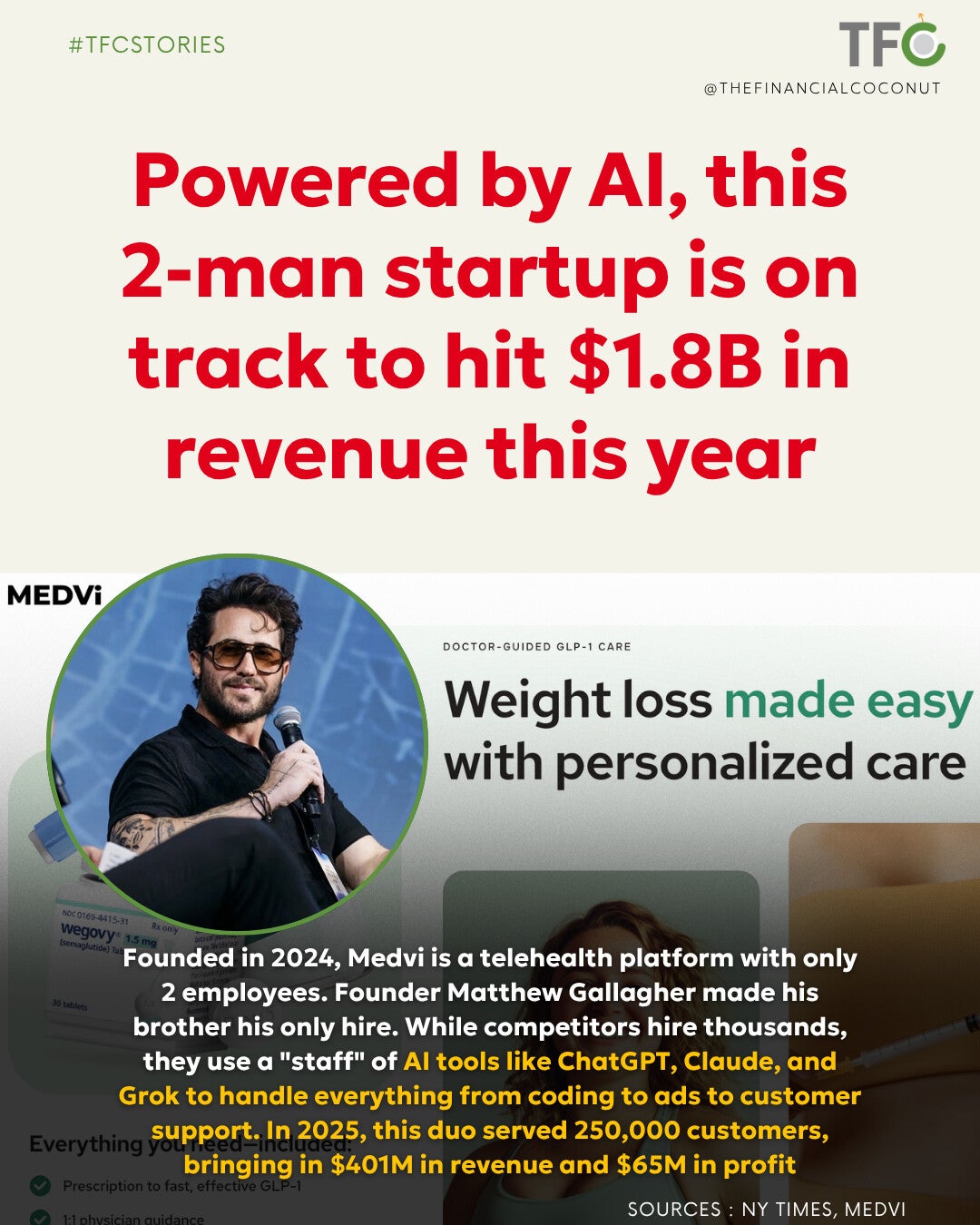
How can AI Marketing Damages Trust?
A telehealth company used AI-generated content and affiliate marketing strategies to rapidly grow its business, generating hundreds of millions in revenue within a short period. However, investigations revealed that some of its marketing included AI-generated fake doctor personas and misleading advertisements.
These ads featured profiles that appeared to represent real medical professionals but were actually created using AI or repurposed accounts. As a result, the company faced regulatory scrutiny, including warnings about misleading claims and potential investigations related to deceptive marketing practices (Cohen).
In addition, reports found that AI-generated images and testimonials were used to promote products, creating the illusion of real customer success stories. This led to concerns about transparency, ethics, and the reliability of the information being presented to consumers
These examples highlight how AI can be used to scale marketing quickly, but also how it can damage credibility when authenticity is removed.
Takeaway:
AI can increase reach and efficiency, but when it replaces honesty and transparency, it can lead to loss of trust, legal consequences, and long-term damage to a brand. This reinforces the idea that authenticity is not optional—it is essential.
What makes a case study stand out?
A strong case study clearly shows a before-and-after transformation supported by specific, measurable results. This includes increased engagement, faster response times, or more consistent content, combined with a clear explanation of how AI was used to achieve those outcomes (Le Dinh et al.; Burgess).
It becomes more convincing when it also explains the strategy behind the results, not just the tools. For example, showing how a business used AI for idea generation while maintaining its brand voice demonstrates intentional use rather than automation. Research emphasizes that effectiveness comes from combining technology with clear goals, human oversight, and authentic communication (Biriukov; Bandyopadhyay).
Create Your Own Website With Webador